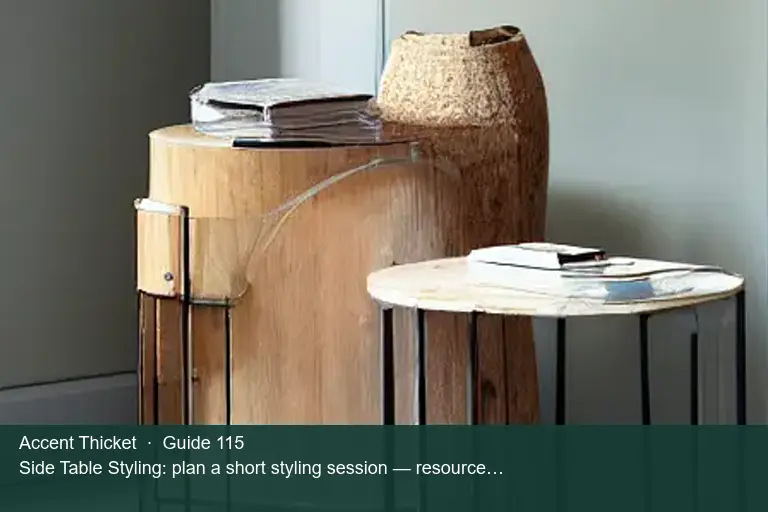
Side Table Styling: plan a short styling session — resource budget for a seasonal rotation; setup after a break
Side table styling is a versatile and practical way to enhance a living space while keeping costs low. This article will guide you through the process of creating a short styling session, setting up for a seasonal rotation, and ensuring you have the necessary resources, budget, and expertise to handle the task effectively.
### What is Side Table Styling?
Side tables are a staple in modern living spaces, providing a unique and functional furniture element. They serve multiple purposes, including as a place to store items, as a focal point, and as a decorative element. By selecting the right side table for your space, you can enhance its aesthetic appeal and functionality, making it a practical addition to your home.
### Step 1: Setting Up the Scene
Before you begin, make sure your space is set up for the season. This includes checking the room for any changes in color, lighting, or decor that might affect the look of your side table. It’s also essential to ensure that the room is well-lit and has enough natural light to keep the space comfortable.
### Step 2: Planning the Style
Think about the theme and style you want to incorporate into your side table. For instance, you might choose a neutral color scheme (white, black, or gray) for a sleek, minimalist look, or a vibrant color scheme (reds, yellows, or greens) for a more vibrant, lively feel. Consider the size, shape, and material of your side table to ensure it fits well with the rest of your furniture and decor.
### Step 3: Choosing the Right Side Table
Once you have a plan in mind, it’s time to find a suitable side table. Look for side tables that are in good condition, and ensure they are easy to clean and maintain. You may also want to consider purchasing a side table with a built-in drawer or a storage drawer to keep items in place.
### Step 4: Stacking the Side Table
Once you have your side table, it’s time to stack it. You can use a stackable side table or a shelf that can be placed in one of the available spaces in the room. Make sure the stack is stable and secure to prevent any damage to the furniture.
### Step 5: Adding Accessories
Adding accessories to your side table will further enhance its functionality. This can include small decorative items such as plants, flowers, or photos, or even a small table lamp to provide additional lighting.
### Step 6: Creating a Seasonal Rotation
To keep your side table styling session fresh and engaging, consider rotating it regularly. This will keep your furniture looking new and updated, and add a sense of continuity to your living space.
### Step 7: Finishing Up
Once you are done with your side table styling session, it’s time to clean it up. This includes removing any cluttered items and dusting the furniture to ensure it looks its best. You may also want to consider donating any unsold side tables to a thrift store or charity.
### Conclusion
Side table styling is a great way to enhance your living space, without the need for expensive furniture or complicated projects. By following these steps, you can create a short styling session that will last a while and add a unique touch to your home.